
Illinois Medicaid program faces looming funding crisis due to federal changes
New federal law will restrict a key revenue stream used to pay state’s share of Medicaid costs.

New federal law will restrict a key revenue stream used to pay state’s share of Medicaid costs.

The report offers a detailed looked at the effects of cuts enacted by Trump through executive order or legislation, directives by federal agency leaders or through Elon Musk’s so-called “Department of Government Efficiency.”

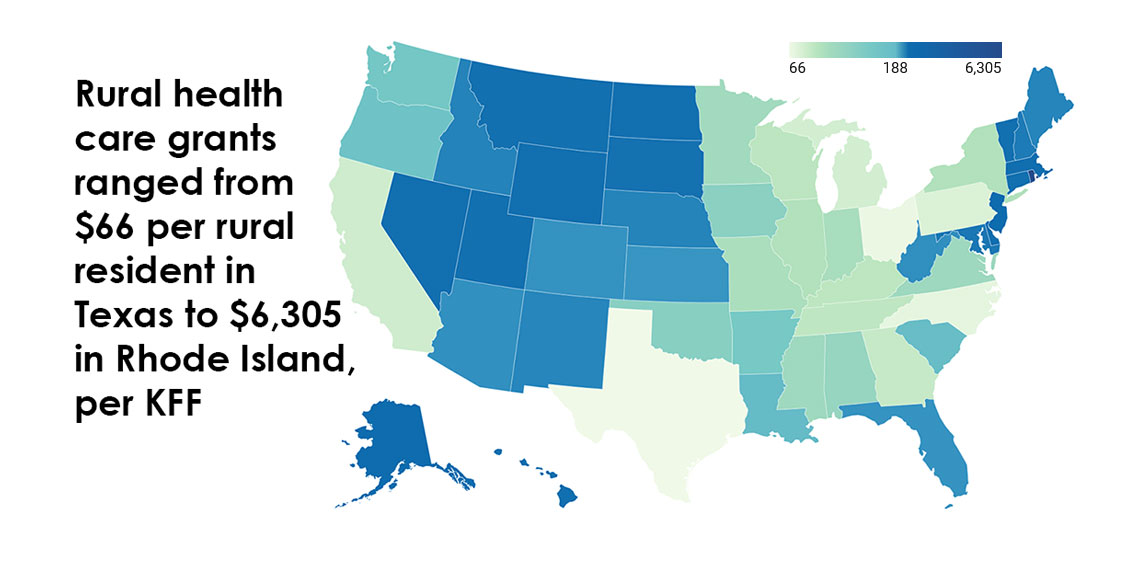
Health care leaders worry rural hospitals could be hit hard by Medicaid spending reductions in the “One Big Beautiful Bill Act.” In the Midwest and Great Plains, Oklahoma and Kansas could face the highest risk of hospital closures and service reductions.

Many of the provisions in the new bill make the first cuts permanent. Some fiscal conservatives have said there are not enough new pro-growth provisions in the big bill to pay for the tax cuts. LaHood disagreed.

Medicaid cuts are expected to hit rural hospitals the hardest.

Public health workers, advocates and patients are bracing for what they describe as a perfect storm, which may undo years of progress in HIV treatment and prevention efforts.

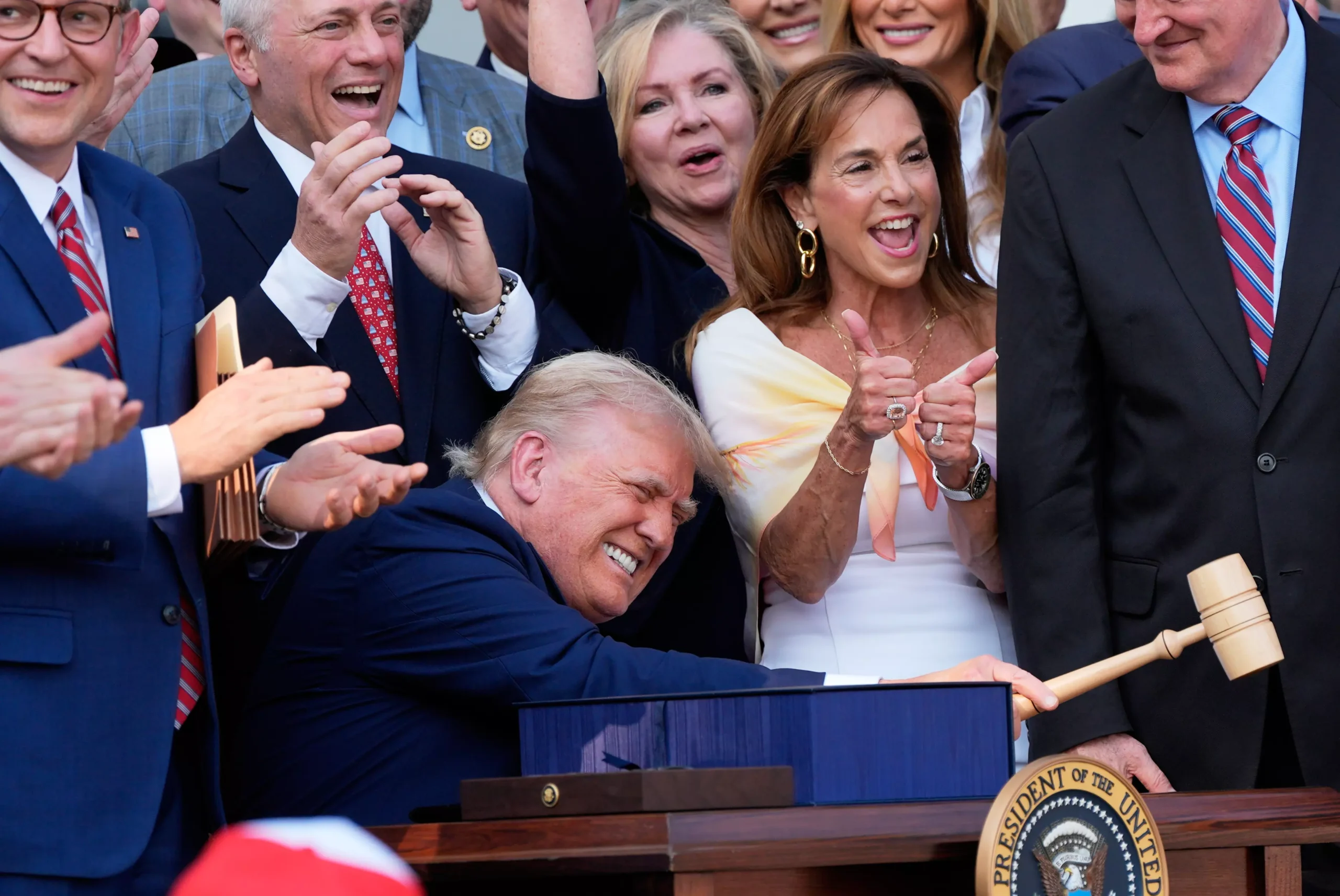
President Trump signed a massive tax and spending bill to implement much of his domestic agenda during a celebration for the Fourth of July.

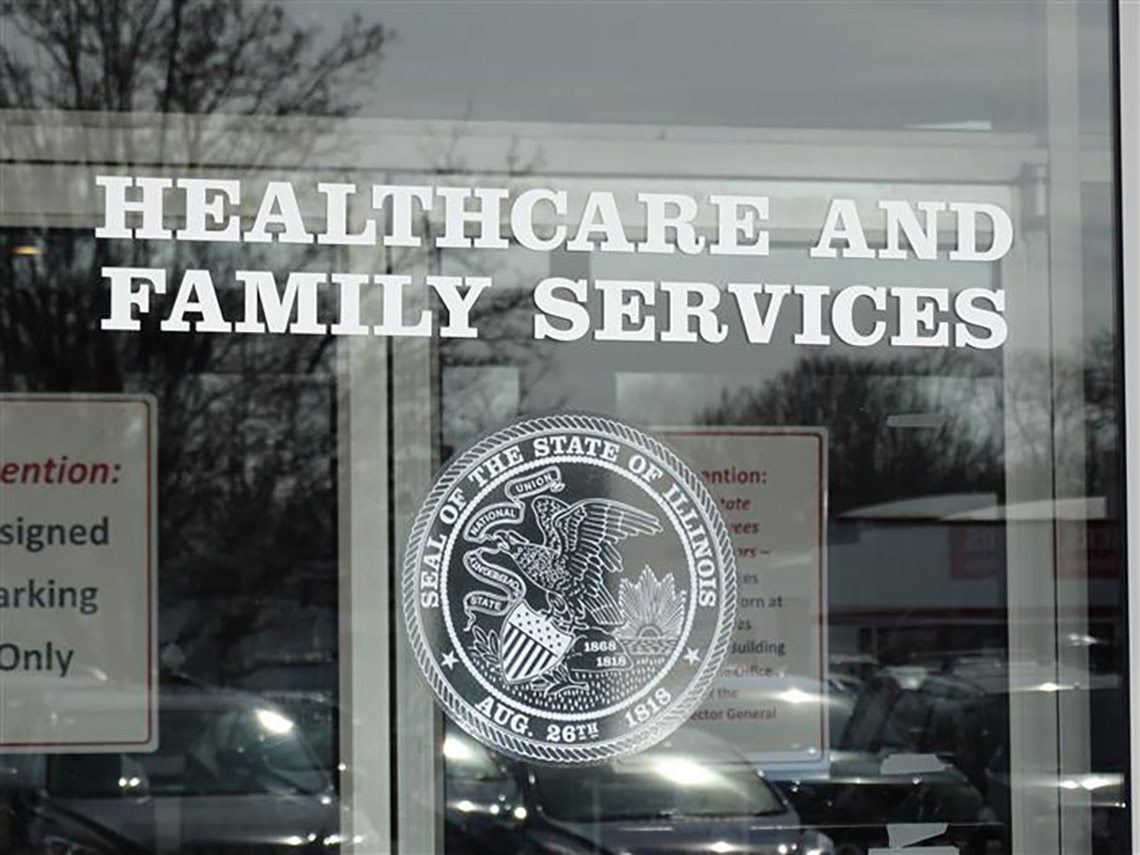
The Illinois Medicaid program currently costs about $33.7 billion a year, according to the Department of Healthcare and Family Services.

Up to 1 million low income and disabled people across the Midwest could lose their Medicaid health insurance coverage, according to a new analysis.

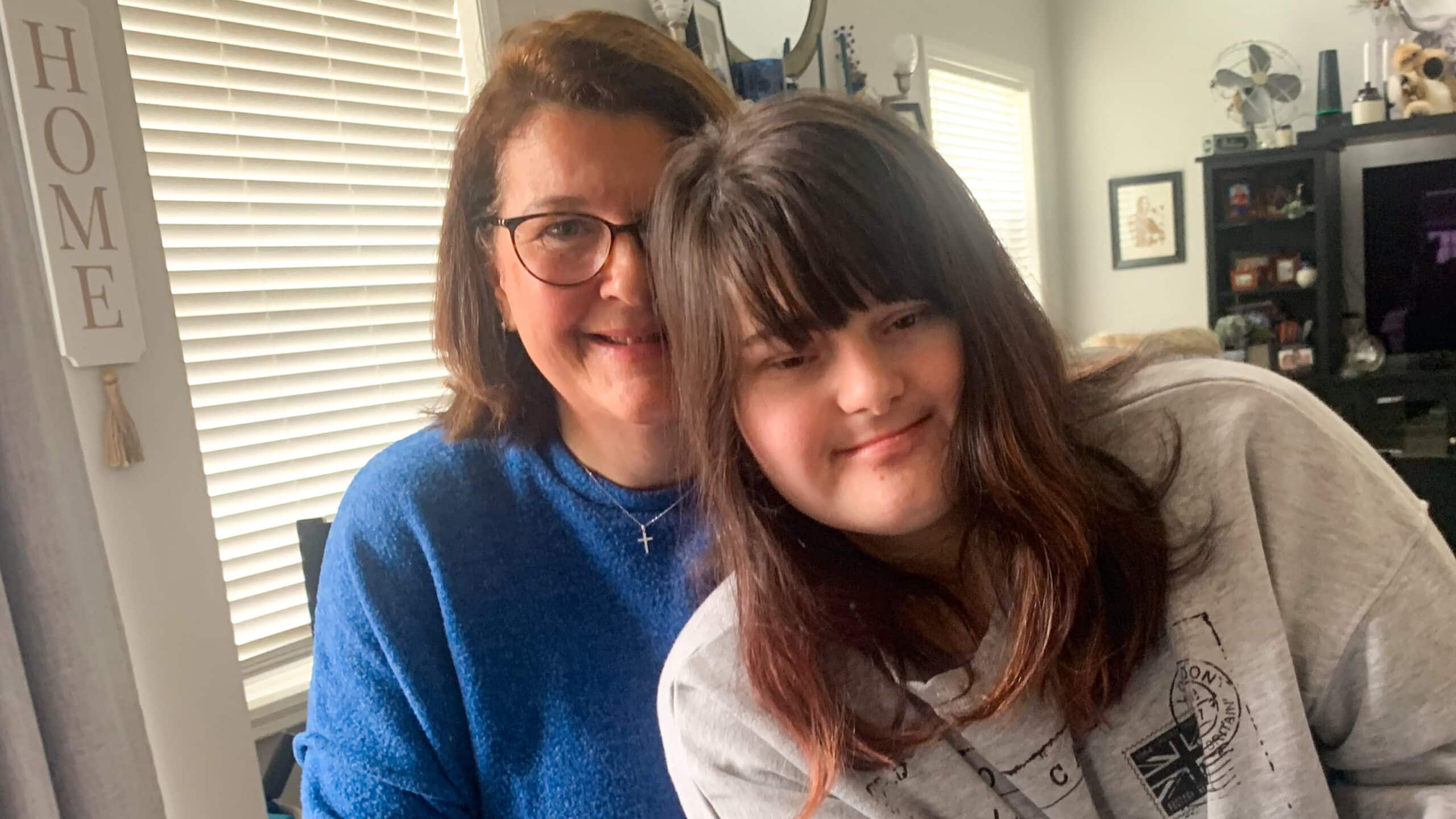
Experts and advocates in Illinois say the sweeping Medicaid cuts approved by House Republicans could have devastating effects on low-income seniors and people with disabilities living in nursing homes and other long-term care facilities.

Two state-run health care programs that extend Medicaid-like coverage to non-citizens may have provided significant financial benefits for Illinois hospitals.

Medicaid provides health coverage to millions of low-income people and those with disabilities. But the Trump administration wants to cut $1.5 trillion dollars in federal spending, which policy experts say won’t be possible without steep cuts to Medicaid.

Thousands of Midwesterners obtained health insurance through the Affordable Care Act’s Medicaid expansion. A federal work requirement would force states to enforce a policy that could cause a loss of benefits caused by administrative errors and red tape.

Nursing home industry officials are urging Illinois lawmakers to increase the rates they receive from the state’s Medicaid system, arguing the current rates are outdated and are forcing many facilities around the state out of business.

Federal funding for Medicaid, the federal-state health insurance program that covers more than 70 million lower-income Americans, could be on the chopping block. Clinics that provide free or reduced-cost care to residents of east-central Illinois are preparing for the possibility that a need for their services will spike if Medicaid faces cuts.